Christmas Mini Shoots in the UK: Planning, Pricing and Delivery Guide for 2026
How to run Christmas mini shoots in the UK: timing around Royal Mail's last posting dates and short November daylight, indoor or outdoor sets, pricing in pounds and when VAT applies, deposits and cancellations, consent and UK GDPR for photographing children, and delivering every family's gallery before the rush.
Short answer
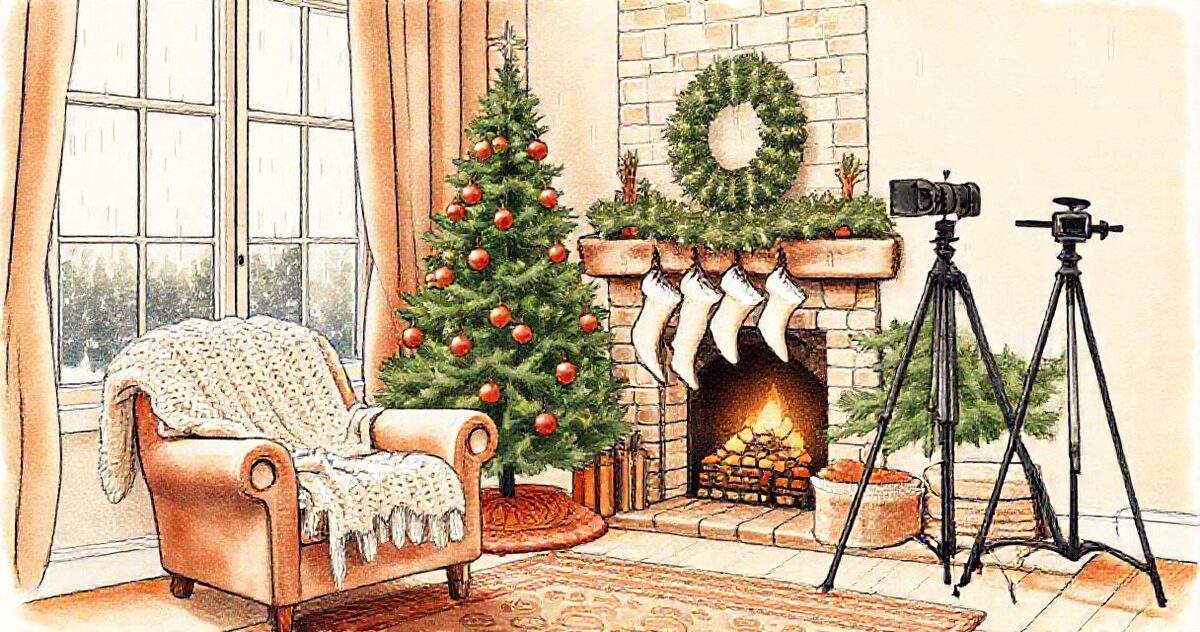
UK Christmas mini shoots are short, fixed-format festive sessions, usually 15 to 20 minutes, booked back to back over a November weekend. Plan back from Royal Mail's last posting dates (usually the third week of December), shoot in early to late November, and deliver within 7 to 10 days. Expect sunset around 4pm, so run outdoor sessions late morning to early afternoon or shoot indoors, price the whole job in pounds (including VAT if you're registered), and ask separately before using children's photos in marketing.
Christmas mini shoots have become a fixture of the UK photography calendar. Short, festive sessions, one set, back-to-back families over a weekend in November, and everyone wanting their photos in time for cards, calendars and gifts. They're a brilliant way to fill the quiet end of the year, bring back past clients and meet new ones. They're also a lot of small jobs landing at once, in the darkest, wettest weeks of the year.
This guide covers a UK Christmas mini season from start to finish: timing around Royal Mail's last posting dates and short daylight, setting up indoors or out, pricing in pounds (and when VAT matters), consent for photographing children, running the day, and delivering twenty-odd galleries without losing December to it.
- What a Christmas mini shoot is
- Timing: work back from the last posting dates
- Indoors or outdoors, in a British November
- Pricing in pounds, and a word on VAT
- Booking, deposits and cancellations
- Consent, children and UK GDPR
- Running the day
- Delivering every gallery before the rush
- Cards, prints and gifts
What a Christmas mini shoot is
A short, fixed-format session, usually 15 to 20 minutes, in front of one festive set, with a fixed number of edited images for one price. Families book a slot, arrive, have their photos taken and leave, and the next family steps in. It suits families who want an updated photo for Christmas without a full session, past clients who come back every year, and new clients trying you out.
The format only works if you protect it. A mini is not a cheaper full shoot: less time, one set, fewer images. Every "could we just do one by the window too?" comes out of the next family's slot.
Timing: work back from the last posting dates
Most families booking a Christmas mini want something physical before Christmas: cards to post, prints for grandparents, a photo calendar or a gift. That means the dates that matter are Royal Mail's last recommended posting dates for Christmas, and your clients' print or card supplier's ordering deadlines. Royal Mail publishes its dates each autumn and they usually fall in the third week of December; check this year's before you plan.
| When | What happens |
|---|---|
| September to early October | Choose the set, venue and dates. Offer past clients first pick. |
| October | Open public booking. Slots tend to go quickly once announced. |
| Early to late November | Shoot. Early dates are the most popular because they leave the most time for cards. |
| Within 7 to 10 days of each shoot | Deliver galleries. Put the delivery date in the booking confirmation. |
| Late November to early December | Families order cards, prints and gifts. |
| Third week of December | Typical last posting dates. Photos delivered after this miss their purpose. |
A useful rule: don't schedule a mini weekend later than you can comfortably deliver before the cards need ordering. If your turnaround is a week, the last weekend of November is fine. If it's three weeks, it isn't.
Indoors or outdoors, in a British November
Daylight is the constraint
In late November and December the sun sets around 4pm in the south of England and earlier further north. Outdoor minis need to run from late morning to early afternoon, and you lose the last slot of the day to the dark much sooner than you'd think. Overcast skies are soft and flattering, but they're also dim, so expect higher ISOs or a reflector.
Outdoor
- Woodland, a Christmas tree farm, a pretty village street or a garden centre's festive display can look wonderful and cost little to set up.
- Have a wet-weather plan before you announce: a named rain date, or a covered space you can move to. British weather in November rarely cooperates for a whole weekend.
- Many locations, including tree farms, garden centres and some National Trust and council-run sites, need permission or a permit for commercial photography. Ask first.
Indoor
- A studio, a hired room, a village hall or a cosy room in a venue gives you control over light, warmth and timing, and lets you shoot after dark.
- It costs more (hire, lighting, set dressing), but it removes the weather from the equation, which for families with small children is a selling point in itself.
- If you hire a venue, check whether they need you to hold public liability insurance; many do.
Pricing in pounds, and a word on VAT
Price the whole job, not the 20 minutes on the clock: set and props, venue hire, booking admin, the shoot, culling, editing your fixed number of images, delivery and the follow-up messages. A simple check:
- Total the season's fixed costs: props, set dressing, venue hire or permission fees, an assistant, and promotion.
- Estimate your hours per family beyond the shoot: culling, editing, setting up the gallery, emails. It's usually well over the session length.
- Decide your hourly rate and price so each family covers its share of the fixed costs plus your time.
For example, if a weekend has 16 slots and the venue, set and promotion cost £320 in all, each family carries £20 of fixed cost before your time. At about two hours of total work per family and £60 an hour, the session price lands near £140. Your numbers will differ; the point is to know them.
VAT: you must register for VAT once your taxable turnover goes over the registration threshold (£90,000 in a rolling 12 months, as of 2026). If you're registered, your prices to families need to include VAT, so build it in from the start rather than adding 20% at checkout. If you're under the threshold and not registered, you don't charge VAT. Check HMRC's current guidance or ask your accountant if you're close to the line.
Booking, deposits and cancellations
- Take payment or a non-refundable deposit at booking. No-shows are the biggest cost of a mini day.
- Put your terms in writing: arrival time, slot length, number of images, delivery date, the late-arrival policy, the weather plan, and what happens if a family has to cancel.
- Be clear about cancellations. If you take bookings online or by phone, consumers usually have cancellation rights; for services booked for a specific date, read up on how those rights apply and make your terms clear and fair. A short, plain policy avoids awkward conversations.
- Collect the email the gallery should go to at booking, and the names to put on it.
Consent, children and UK GDPR
Photos of identifiable people are personal data under UK GDPR, and at Christmas minis most of your subjects are children. A few habits keep you on the right side of it and, just as importantly, keep parents' trust:
- Ask separately for marketing use. Delivering photos to the family is the service they've booked. Using them on your website, Instagram or in adverts is a different purpose, and needs the parents' clear permission, ideally a tick-box in the booking form they can say no to.
- Deliver privately. Send each family their own gallery, with a password if they'd like one, rather than one shared album of every family.
- Say how long you keep the photos, and how long the online gallery stays available, in your terms or privacy notice.
- Keep it secure. Backed-up storage you control, not a phone camera roll.
Running the day
- Keep a printed schedule with names, slot times and a phone number for each family.
- Get the safe shot first: everyone together, looking at the camera, in the first minute or two. Then play.
- Have a helper to greet families, keep time and reset the set, so you can concentrate on photographing.
- Take a reference frame at the start of each session (the family's name on a card works) so culling never mixes families up.
- Back up the cards that evening, before you start editing.
Delivering every gallery before the rush
The hard part of a mini season isn't the shoot, it's the delivery: one gallery per family, each with its own photos and deadline, all due in the same few weeks. A routine helps more than any single tool:
- Cull the same day or the next, while you remember the session. The reference frames make sorting easy.
- Edit in batches by light, syncing settings across families shot in the same hour.
- One folder per family, named the same way every time, for example "Christmas Minis 2026 / Patel".
- One gallery per family, with the same look and settings across the season.
- Send each gallery as soon as it's ready rather than all at once. Families who receive theirs early order early, and talk about you while others are still booking.
- Keep one list of family, shoot date, delivered date and anything extra they bought.
How this works in GalleryLink
If your finished images go to Google Drive, you've already done most of it. In GalleryLink:
- Make the first family's gallery from their Drive folder and set the look once: theme, cover, layout and download settings.
- Duplicate it for each family and paste their folder link, so every gallery in the season matches.
- Turn on favourites, so families can tell you which images they'd like as prints or extras.
- Add a password for families who'd like privacy, and set a closing date if your terms say galleries come down after a while.
- Check the stats to see who's opened their gallery, and send a gentle reminder to anyone who hasn't before the posting dates.
Pro is $5 a month (around £4) with unlimited galleries, and Drive-linked galleries don't use any storage, so a big season costs the same as a quiet one.

Cards, prints and gifts
- Extra images: offer the rest of the edited set as an add-on, per image or as a bundle. Favourites tell you which ones families love.
- Cards: a short note with each gallery about which images suit a card (landscape or portrait, space for text) helps families pick well and makes your work look its best.
- Prints and gifts: grandparents are often the buyers. A simple print offer by email in early December, well before the posting dates, is enough.
- Next year: invite this year's families to book first next autumn. A returning family is the easiest booking of the year.