Newborn Photography 2026: The Complete Guide for Photographers (Booking, Safety, Pricing and Delivery)
A complete guide to running newborn photography sessions in the US: booking around due dates, studio, lifestyle and Fresh 48 styles, safety, pricing and packages, contracts and privacy, preparing parents, editing, and delivering galleries families share with grandparents.
Short answer
Newborn sessions are booked during pregnancy around the due date and confirmed after the birth, often within the first couple of weeks. Put safety first (proper training, composites for supported poses, a spotter, a warm room), price the whole job including editing and delivery, get separate permission before sharing any photo of the baby, send a sneak peek within days for the birth announcement, and deliver a private, phone-friendly gallery with favorites and easy downloads that parents can share with family.
Newborn photography is one of the most rewarding kinds of portrait work, and one of the most demanding to run well. The client is a family in the most tiring, emotional weeks of their lives, the subject is a few days old, the session can't be rescheduled once the window passes, and the photos end up on birth announcements, nursery walls and grandparents' phones for decades. For photographers in the US, newborn work also tends to be the start of a long relationship: the same family often comes back for milestone sessions, first birthdays and holiday minis.
This guide covers a newborn business from the first inquiry to the final gallery: when to book, session styles, safety, how to price, what to put in the contract, preparing parents, running the session, editing, and delivering photos that a sleep-deprived family can actually use. The posing technique deserves hands-on training of its own; most of what follows is about the parts around it that make a newborn business work.
- What newborn photography involves
- When to book: due dates and the newborn window
- Session styles: studio, lifestyle and Fresh 48
- Safety comes first
- How to price newborn sessions
- Contracts, consent and privacy
- Preparing parents
- Running the session
- Editing newborn photos
- Delivering the gallery
- Announcements, prints and albums
- Turning one session into years of clients
- A newborn workflow that scales
What newborn photography involves
A newborn session photographs a baby in the first weeks of life, usually with some images of the parents and siblings too. Many families book because those first weeks pass so quickly, and the sleepy, curled-up look of a brand-new baby is gone within a month or so.
As with any portrait work, you are serving more than one person:
- The parents book, pay and decide. They're often exhausted, sometimes recovering from a difficult birth, and nervous about anyone handling their baby. Calm, clear communication matters as much as the photos.
- The baby sets the pace. Feeding, soothing and changing take up a large part of any newborn session, and good newborn photographers plan for that rather than fight it.
- The wider family are the audience. Grandparents, aunts and friends will see these photos first on a birth announcement or a shared gallery link, and they're often the ones ordering prints.
When to book: due dates and the newborn window
Newborn sessions are booked around a due date, not a fixed date. Most photographers take a booking during pregnancy, often in the second or third trimester, hold a provisional slot around the due date, and confirm the exact day once the baby arrives.
Many studio newborn photographers aim to photograph babies within roughly the first two weeks, when they tend to sleep more deeply and curl naturally. Lifestyle sessions at home are more flexible, since they rely less on deep sleep and posed setups. Whatever window you work in, say it plainly in your booking information so parents understand why they should contact you as soon as the baby is born.
| Stage | What to do |
|---|---|
| Inquiry during pregnancy | Explain session styles and timing, send prices and a sample gallery, take a retainer to hold the due-date window. |
| A few weeks before the due date | Send the preparation guide, confirm the location, check whether siblings or pets will be included. |
| Birth | Parents message you; confirm the session date within your window, adjusted for feeding and recovery. |
| Session | Typically a few hours for a studio session, less for lifestyle. |
| Delivery | A sneak peek within days for the birth announcement, the full gallery within your promised time. |
Because babies rarely arrive on their due date, don't fill your calendar so tightly around each due date that one early or late arrival creates a clash. Many photographers limit the number of newborns they book per week for exactly this reason.
Session styles: studio, lifestyle and Fresh 48
Most newborn photographers specialize in one or two of these styles. Offering all of them is possible, but a clear focus makes your marketing and booking simpler.
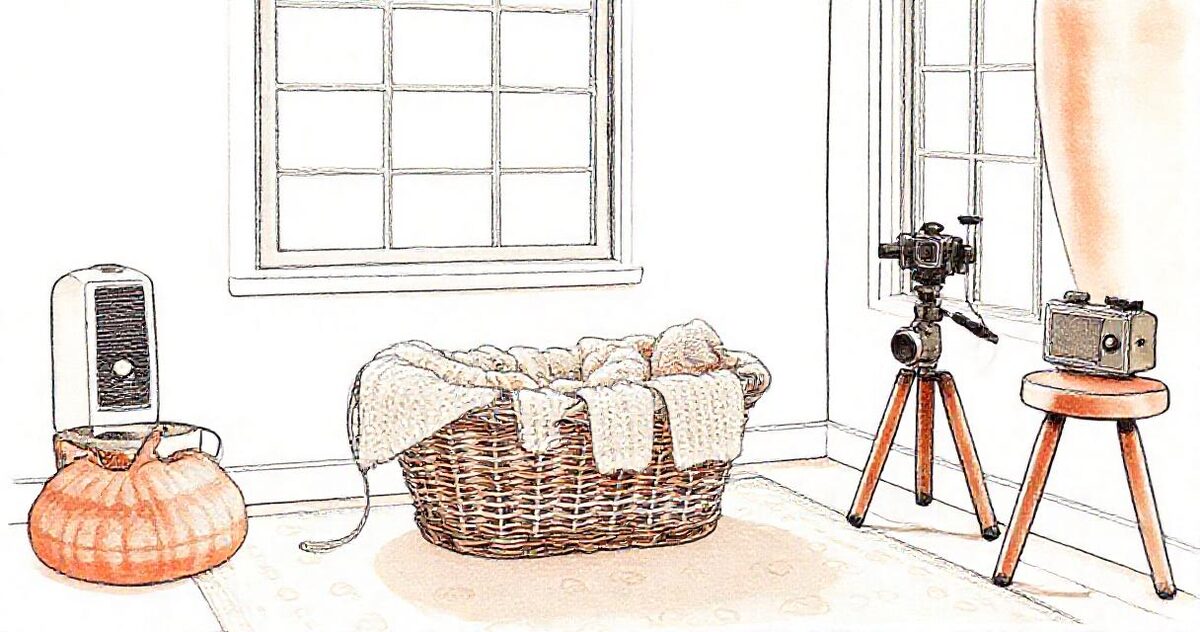
- Studio (posed) sessions: the classic look of a sleeping baby on a posing beanbag, wrapped, in a basket or on a blanket, with a warm studio and a carefully planned set of setups. Highly controlled, longer sessions, and the style that most depends on safety training.
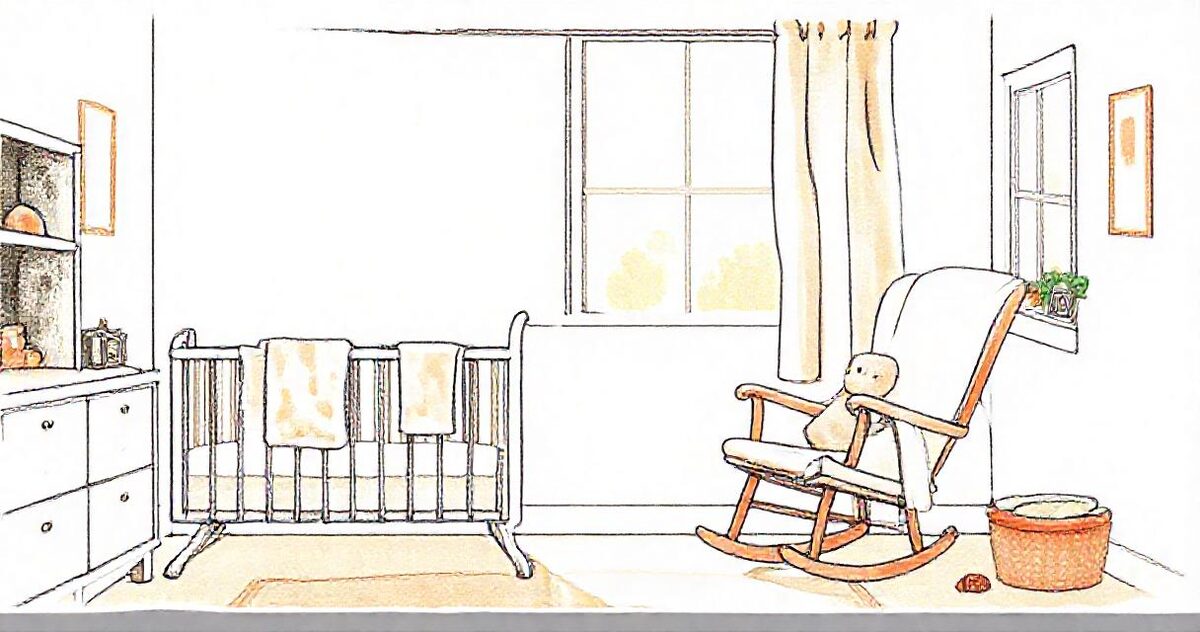
- Lifestyle sessions: at the family's home, in the nursery, on the parents' bed, during a feed or a bath. Less posing, more interaction and storytelling. Usually shorter and more relaxed.
- Fresh 48 sessions: a short documentary-style session in the hospital or birth center within the first day or two, often capturing the first meeting with siblings. Check the hospital's policy before offering this, because some limit visitors or photography.
- Family and sibling additions: most newborn sessions include a few setups with parents and older siblings. Plan them early in the session while siblings still have patience.
Safety comes first
Newborn photography carries real responsibility. A few principles are widely shared by experienced newborn photographers and educators, and parents increasingly ask about them before booking:
- Get proper training. Posed newborn work should be learned hands-on from a reputable newborn safety course or mentor, not from videos alone. Mention your training on your website; it's one of the first things careful parents look for.
- Composite the risky-looking poses. Poses where a baby appears to hold up their own head, hang in a sling or balance on a prop are made from several frames where a parent or assistant is supporting the baby, then combined in editing. The baby should never actually be unsupported.
- Keep a hand within reach. A spotter (a parent or assistant) stays close to the baby on every elevated or prop setup.
- Follow the baby's cues. If a baby resists a pose, skip it. Watch color, breathing and comfort throughout, and stop for feeding and soothing whenever needed.
- Keep the room comfortably warm, not hot. Babies photographed unclothed need a warm room, but overheating is a risk too. Watch the baby rather than relying on a fixed number.
- Hygiene. Wash your hands often, keep wraps and blankets laundered between clients, and ask anyone who's unwell, including you, to reschedule.
- Props must be stable. Baskets and bowls are weighted or supported, and nothing is placed where it could tip.
Write your approach to safety down in a short paragraph for your website and your preparation guide. It reassures parents, and it answers the question many of them are too polite to ask.
How to price newborn sessions
Newborn sessions take much more time than they appear to. Before setting a price, add up the real hours for a typical session:
- Inquiry, consultation and pre-session messages;
- Setting up the studio (warming, wraps, props) or traveling to the home;
- The session itself, including feeding and settling breaks;
- Culling and editing, which for posed newborn work often includes skin retouching and composites;
- Delivering the gallery, a sneak peek, and product orders;
- Laundering wraps and cleaning props after every session.
Multiply those hours by the hourly rate your business needs (covering your time, taxes, insurance, equipment, software and time off), add the cost of anything included, and that's the floor for your session fee. Prices for newborn photography in the US vary widely by region and style, so compare yourself with established newborn photographers in your own area rather than with national averages.
Common package structures:
| Structure | How it works | Good for |
|---|---|---|
| All-inclusive digital | One price that includes the session and every edited image in an online gallery. | Simple to sell and explain; popular with lifestyle photographers. |
| Session fee plus collections | A session fee, then digital or print collections chosen afterward, often at an in-person or online viewing. | Studio photographers with strong print and wall-art sales. |
| Tiered packages | Two or three packages by number of images, setups or family additions. | Clear choice for parents; easy upsell to the middle tier. |
| Baby plan | Maternity, newborn, a milestone session and the first birthday, booked together at a combined price. | Building long-term clients and steady bookings. |
Whichever structure you use, publish a clear "starting at" price. Parents comparing photographers late in pregnancy appreciate knowing the cost before a call.
Contracts, consent and privacy
A newborn contract covers the usual points for any portrait session (fees, retainer, delivery time, image use) plus a few that are specific to newborns. If you need a starting point, see what to include in a photography contract, and have your final version reviewed by a lawyer in your state.
- The booking window: that the date is set around the birth, how quickly parents should contact you, and what happens if the baby arrives very early or the session can't happen within your window.
- Health and safety: your safety approach, that the parents can stop or skip any pose at any time, and that sick family members should reschedule.
- Medical situations: a kind, flexible policy for NICU stays or a difficult recovery, such as moving the session or switching to a lifestyle session later.
- Image use: separate, explicit permission before any photo of the baby appears on your website or social media. Many parents are happy to share; some are very private. Make "no" an easy, respected answer.
- Delivery: how and when photos are delivered, what's included, and how long the gallery stays online.
Privacy matters more with newborns than with most clients. Keep galleries unlisted and private by default, offer a password for families who want one, avoid putting the baby's full name and birth date in public captions, and remove location data from any photos taken at the family's home before sharing them publicly.
Preparing parents
A short, friendly preparation guide, sent a few weeks before the due date and again when you confirm the session, makes everything easier. Cover:
- Feeding: many photographers suggest feeding the baby just before or at the start of the session, and planning extra feeds during it.
- What to bring: diapers, wipes, a pacifier if the baby uses one, a change of clothes for the parents.
- What to wear for any family setups: soft, simple, neutral clothes without big logos, coordinated rather than matching.
- How long it takes, and that the time is mostly spent feeding and settling; nothing is wrong if the baby needs a break.
- Siblings: plan their photos early and arrange for someone to take them home afterward if they get tired.
- Home sessions: which room has the best light, clearing a little space, and not worrying about a perfect house.
Running the session
A calm, predictable structure helps everyone, especially first-time parents:
- Family and sibling setups first, while everyone is fresh and before the baby is unwrapped.
- Wrapped setups, which tend to help babies settle and sleep.
- Unwrapped or bean-bag setups once the baby is in a deep sleep, if that's your style and the baby is comfortable.
- Detail shots: fingers, toes, eyelashes, hair, the little profile.
- Props last, and only if the baby is settled.
Talk parents through what you're doing, keep them close, and keep the mood unhurried. Before you leave or they leave, back up the cards. Newborn sessions are impossible to recreate; a simple backup routine the same evening is non-negotiable.
Editing newborn photos
Newborn editing has its own habits. Newborn skin is often red, blotchy or peeling, with milk spots or jaundice in the first days. Most newborn photographers even out skin tone, soften blemishes and correct color casts so the baby looks the way the parents see them, while keeping natural features such as birthmarks unless the parents ask otherwise. Composites, where used for safety, need careful blending.
Decide early whether you deliver color and black-and-white versions, how many images a typical gallery includes, and your editing style, then keep it consistent so every gallery looks like your portfolio.
Delivering the gallery
Delivery is where a newborn session either becomes a family treasure or gets lost in a phone. Remember who's opening the gallery: tired parents, mostly on their phones, often between feeds, and a wider family who'll see the link second-hand.
Send a sneak peek fast
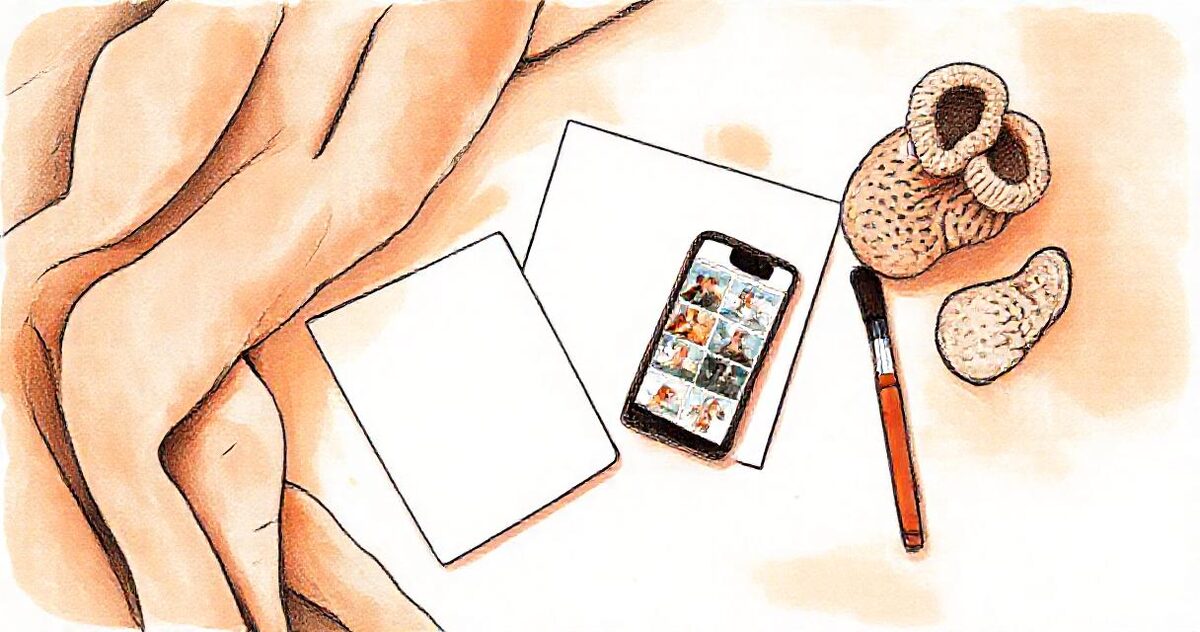
A handful of favorite images within a few days of the session is one of the most valued things you can give a newborn family. Many parents want one photo for the birth announcement and for the message to family and friends, and they want it soon. A quick sneak peek also gets shared, which is your best marketing.
Deliver a gallery made for phones
- One link for everything: sneak peek first, then the full gallery added to the same link, so parents don't juggle several messages.
- Fast on a phone: parents will open it one-handed, so the photos should load quickly and look good on a small screen.
- Easy downloads: full-resolution files for prints and web-sized files for texting and social media, with a simple way to download everything at once.
- Favorites: let parents heart the images they love, so choosing prints or an album is easy. See how to let clients choose their favorite photos.
- Privacy: unlisted by default, and a password for families who want one.
- A clear expiry or archive policy, so parents know to download their files and don't lose them.
Make sharing with family easy
Grandparents and relatives are a big part of the audience. A gallery link the parents can forward (with or without a password) is much easier for family than a download link or a folder of files. Some photographers create a smaller "family" gallery with a selection of favorites for parents to share widely, keeping the full gallery private.
If you already store your work in Google Drive, you don't need to re-upload anything to deliver a polished gallery. GalleryLink turns a Drive folder into a fast, phone-friendly gallery with favorites, downloads, optional passwords and view stats, and photographers who prefer can upload photos directly instead. Our guide to turning a Google Drive folder into a photo gallery walks through the steps.
Announcements, prints and albums
Newborn photos are among the most printed photos families ever have. Products worth offering:
- Birth announcements: a designed card with one or a few images, timed so families can send them within weeks.
- Wall art: a large print or canvas for the nursery, or a set of three.
- Albums: a small album of the session, or a first-year album that grows with later sessions.
- Gift prints for grandparents: a simple set of small prints is an easy add-on, especially near the holidays.
Mention products at booking, show examples at delivery, and use the parents' favorites to suggest a few images for each product. Sales are much easier when parents have already chosen what they love.
Turning one session into years of clients
A newborn client is often the start of a long relationship, which makes the family more valuable than any single session:
- Maternity to newborn: many families book both; offer them together.
- Milestone sessions: sitting up, crawling and the first birthday (cake smash sessions are popular in the US).
- Holiday mini sessions: your newborn families are natural clients for your holiday minis.
- Referrals: new parents know other expecting parents. A small thank-you for a referral goes a long way, and every shared gallery shows your work to people who are about to need it.
- Partnerships: with care, building relationships with local businesses that serve expecting families can bring steady inquiries. Always follow their rules about what you can leave or post.
A newborn workflow that scales
- Inquiry: prices, sample gallery, safety approach, booking window.
- Booking: retainer, contract, image-use permission, due date on your calendar.
- Preparation guide a few weeks before the due date.
- Birth: confirm the date within your window.
- Session: family first, wrapped, then unwrapped and details; back up the same evening.
- Sneak peek within a few days, in time for the announcement.
- Full gallery on the same link within your promised time, with favorites and downloads.
- Products: announcements, wall art and albums from the parents' favorites.
- Follow-up: a review request, then an invitation to the first milestone session.
Run the same way every time, a newborn business becomes calm and repeatable, and the families you photograph in their first weeks often stay with you for years.